







How Athletic Clothing Became a Global Cultural Movement
Sportswear has traveled an incredible journey — from simple garments designed for physical activity to advanced performance technology worn by professional athletes and everyday consumers.
Today, sportswear represents much more than exercise. It reflects innovation, cultural identity, personal style, and the global movement toward healthier lifestyles.
Ancient Times: Function Over Fashion
The earliest forms of sportswear were created with one essential purpose: allowing the human body to move freely.
In ancient Greece, athletes competing in the Olympic Games focused on physical ability rather than clothing design. Movement, strength, and endurance were more important than appearance.
Across civilizations such as China, Egypt, and India, clothing used during physical activities was usually simple, lightweight, and practical.
Key characteristics:
- Freedom of movemen
- Minimal and functional designs
- Natural materials suited for physical activity
Sportswear began not as a fashion statement, but as a tool to enhance human performance.

The Early 20th Century: The Birth of Modern Sportswear
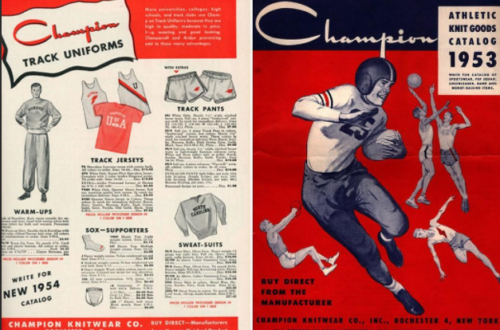
The 20th century transformed sports into organized global competitions, creating demand for specialized athletic clothing.
As tennis, football, basketball, and track became increasingly popular, athletes needed uniforms that offered better durability, comfort, and flexibility.
Cotton and wool were commonly used, while sports brands began developing dedicated athletic products.
This period marked the beginning of modern sportswear as an industry.
Major developments:
- Professional team uniforms
- Specialized athletic clothing
- The rise of global sports brands

The 1970s–1980s: Sportswear Becomes a Lifestyle
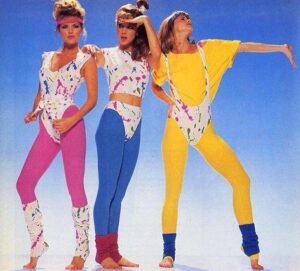
The 1970s and 1980s changed sportswear forever.
New synthetic fabrics such as polyester and nylon created lighter, stronger, and faster-drying clothing. At the same time, fitness culture expanded worldwide.
Running, aerobics, and gym training became popular lifestyles, and athletic clothing moved from sports fields into everyday fashion.
Tracksuits, sneakers, and colorful fitness outfits became symbols of energy and self-expression.
Sportswear was no longer only for athletes — it became part of popular culture.
The 1990s–2000s: Technology and Global Branding
The arrival of advanced technology reshaped the sportswear industry.
Brands invested heavily in research and development, creating innovative materials and designs.
New technologies included:
- Moisture-wicking fabrics
- Breathable materials
- Shock-absorbing footwear
- Ergonomic performance designs
Sportswear also became closely connected with celebrity culture and global branding. Athletes became fashion icons, and sneakers became cultural symbols.
The line between sports, fashion, and lifestyle became increasingly blurred
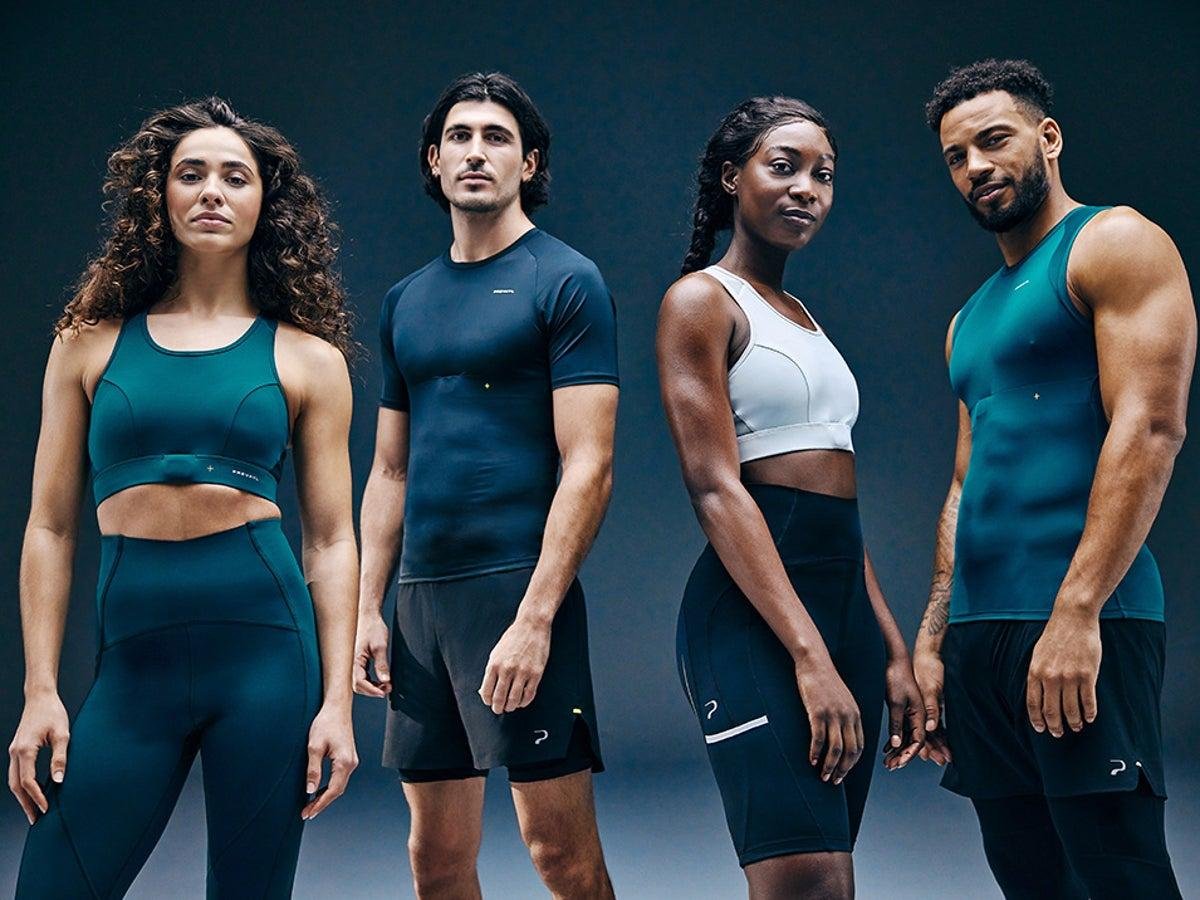
2010s–Today: Smart Technology, Sustainability, and Inclusion
Modern sportswear combines science, technology, and environmental awareness.
Today’s athletic apparel uses advanced innovations such as:
- Recycled fabrics
- 3D knitting technology
- Smart textiles
- Body-adaptive designs
- Sustainable manufacturing methods
Consumers now expect sportswear to provide performance while also supporting environmental responsibility.
The industry is also becoming more inclusive, creating designs for different body types, genders, and lifestyles.

The Future of Sportswear: Clothing Meets Technology
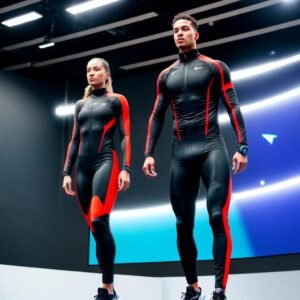
The future of sportswear will go beyond traditional clothing.
Future innovations may include:
- Smart fabrics that monitor health data
- AI-designed athletic products
- Self-adapting materials
- Fully recyclable performance gear
Sportswear will continue evolving into a combination of fashion, technology, and human performance.
Conclusion: More Than What We Wear
The evolution of sportswear reflects the evolution of society itself.
From ancient athletes seeking freedom of movement to modern competitors using advanced technology, sportswear has always represented the human desire to improve.
It is not simply clothing — it is a global language of movement, creativity, and progress.
Move better. Feel better. Live better.